


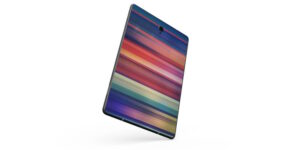
Tablets have become an integral part of everyday business operations. Whether used for presentations, meetings or as work devices, they support a wide range of tasks. At the same time, regular use and transport can increase the risk of damage. Tablet cases can help protect tablets from scratches, light impacts and other everyday damage.
This article looks at the use of tablet cases from a business perspective. It covers their different functions, their role in handling and device design, and how companies can use cases to protect and label their devices while making brand elements visible through corporate design. It also outlines key selection criteria and practical recommendations for using tablet cases.
Tablet cases can serve several functions in everyday business use:
1. Device protection: A suitably selected tablet case can help protect a tablet from scratches, light impacts and other damage during transport and daily use. Whether repairs or premature replacement can be avoided depends on the case model, how it is used and the individual damage event.
2. Handling: Depending on the model, tablet cases may include features such as textured surfaces, carrying handles or integrated stand functions. These features can make handling easier and support the use of tablets for presentations or video calls.
3. Design and personalisation: Tablet cases can be designed with a company’s corporate colours, logo or other brand elements. Names, department names or other labels can also be added to make it easier to assign devices in everyday use.
For companies, tablet cases can be a practical addition for protecting and identifying business devices. Key aspects include:
1. Protection during everyday use: A suitably selected tablet case can help protect devices from scratches and light impacts during transport and daily use. Whether this prevents repairs or premature replacement depends on the specific damage event.
2. Visible brand communication: Tablet cases with corporate design provide an additional surface for logos, colours and other brand elements. This makes the corporate design visible when tablets are used.
3. Personalisation and device allocation: Tablet cases can be personalised with names, department names or other labels. This can make it easier to allocate business devices in day-to-day operations.
When selecting tablet cases, companies should consider several factors to ensure that the case is suitable for the intended device and use:
1. Materials: Tablet cases are available in various materials, including plastic, leather and fabric. Depending on the model, materials differ in terms of feel, handling, appearance and protective properties. Companies should select a material that fits the intended use and design requirements.
2. Size and fit: A tablet case should be selected for the specific tablet model. A suitable fit can help keep the device securely positioned in the case and ensure access to buttons, ports and other functions.
3. Additional features: Depending on the intended use, additional features such as carrying handles, stand functions or accessory compartments may be useful. Companies should select a case with the functions needed for their specific application.
Purchasing tablet cases is one option for protecting and identifying business devices. Whether this results in economic benefits depends on the case model, the area of use and how the devices are handled.
To support the intended use of tablet cases, companies can consider the following practical recommendations:
1. Selecting the right case: When choosing tablet cases, companies should consider the specific tablet model, intended area of use and required features. Manufacturer information and product specifications can help when comparing suitable options.
2. Using corporate design and personalisation: Tablet cases can be designed in a company’s visual style using colours, logos or lettering. Names, departments or other labels can also be added where device allocation is relevant.
3. Handling tablet cases correctly: To support their intended use, tablet cases should be fitted and used in accordance with the manufacturer’s instructions. A short handling guide can be useful where devices are issued to several employees.
Tablet cases can help protect business devices from scratches and light impacts during transport and everyday use. With logos, colours, names or department labels, they can also be used to identify devices and visibly display brand elements. When choosing a tablet case, companies should consider the fit for the relevant tablet model, the intended area of use, the required protective features and the desired design and labelling options.


